
March 26, 2026
- By : Ambassador Team
At The Ambassador of Scarsdale, we have always believed that the best care begins with knowing the people we serve—truly knowing them. Our Enhanced Assisted Living Residence (EALR) certification allows us to support residents as their needs change, but it is the continuity of our team that makes this level of care meaningful. Many of our staff have been with us for over a decade, walking alongside residents and families through every stage of aging. That familiarity, that trust, is what allows individuals to remain safely in their home here, surrounded by people who understand their history, their routines, and their preferences.
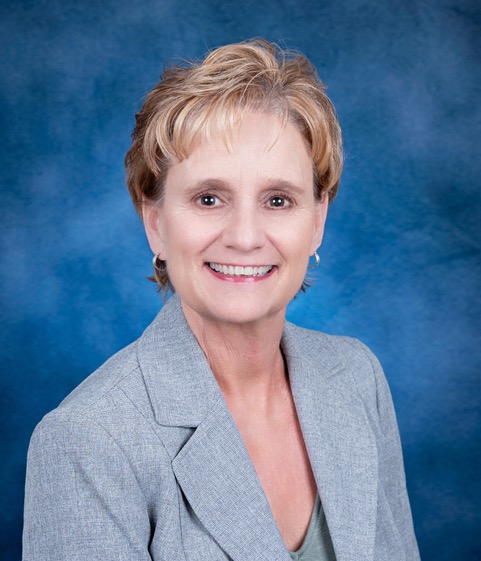
As the landscape of assisted living continues to evolve across New York, I was grateful for the opportunity to speak with Lisa Newcomb, Executive Director of the Empire State Association of Assisted Living, about how EALR services are expanding to meet higher acuity needs while preserving the dignity and stability that aging in place requires.
— Jean Dunphy & Crew
As families explore assisted living options, understanding the distinctions among New York’s licensure categories can be challenging. The Ambassador of Scarsdale recently spoke with Lisa Newcomb, Executive Director of the Empire State Association of Assisted Living (ESAAL), to discuss how Enhanced Assisted Living Residence (EALR) certification has evolved—and how new regulations are shaping the future of care across the state.
This 2025 update highlights the growing clinical capabilities of assisted living communities, the integration of hospice services, and the New York State Department of Health’s (NYSDOH) ongoing regulatory initiatives designed to support aging in place.
EALR Growth Driven by Increasing Resident Acuity
According to Newcomb, the demand for EALRcertified communities continues to rise as older adults enter assisted living later in life and with more complex medical needs.
“We’ve seen a growth in the number of EALRs around the state because seniors are not seeking assisted living until they are older and frailer than in the past,” Newcomb explained.
Many existing EALRs are now applying to NYSDOH to expand their approved service lists to accommodate residents with specialized clinical needs.
“An EALR may initially be approved to manage colostomies and later apply to add urostomy care,” she noted. “Sometimes a potential new resident requires something less common, such as nephrostomy care, prompting the community to seek an expansion of its approved services.”
This flexibility—unique to New York’s EALR model—allows communities to adapt to changing resident profiles while maintaining regulatory oversight and safety standards.
NYSDOH Quality Reporting Requirements Under Development
Newcomb also discussed a significant regulatory initiative currently underway: the creation of a statewide quality outcome reporting system for all Assisted Living Residences (ALRs), including EALRs and Special Needs Assisted Living Residences (SNALRs).
The Department of Health, with input from ESAAL and other stakeholders, is designing a publicfacing reporting framework that will allow families to compare communities based on standardized quality indicators.
“Earlier this year the Department of Health issued the quality measures that will eventually become available to the public,” Newcomb said. There are three measures:
- Complaint activity: measuring substantiated complaints in 2025 for each Assisted Living Residence and then comparing that to the statewide average for other ALRs.
- Staffing Levels – comparing each ALR’s average annual number of Direct Caregivers to similar-like ALRs.
- Food and Dining Quality – The total number of violations issued under the applicable Food Service regulatory subset during the facility’s most recent recertification survey performed by the Department compared to the statewide average.
Also, the Department is collating the information and once the Department of Health’s new platform is complete, they will post on its website each ALR’s data against the statewide average.
This marks a major step toward transparency and consumer education.
Training and Clinical Preparedness: The Foundation of HighQuality EALR Care
When asked how ESAAL supports its members in meeting these evolving expectations, Newcomb emphasized the organization’s commitment to education.
“Training, training, and training,” she said. “We help communities think through what is required to provide a service safely and effectively—staffing, training, supervision, competencies, and overall readiness. The goal is always to ensure resident satisfaction, wellbeing, and safety.”
As EALRs take on more complex care, ongoing staff development becomes essential to maintaining compliance with NYSDOH regulations and ensuring highquality outcomes.
Variability Among EALRs: A Strength of the Model
Newcomb highlighted that each EALR operates under its own NYSDOHapproved service plan, which can lead to differences between communities.
“One EALR may offer services that another does not,” she explained. “While this can create some confusion for families, it also means we do not have a cookiecutter system. Each community can tailor its services based on its staffing, resources, and expertise.”
All approved services must be disclosed to families prior to admission, ensuring transparency and informed decisionmaking.
Hospice Partnerships: Supporting Aging in Place Through Coordinated Care
One of the most significant developments in assisted living is the increasing integration of hospice services within ALR, EALR, and SNALR settings. Under 10 NYCRR §1001.7(e), residents may receive hospice care in an assisted living residence as long as the community can safely meet their needs and coordinate care with the hospice provider.
This regulatory framework allows residents to remain in the homelike environment they prefer—even during endoflife care.
Newcomb emphasized the importance of these partnerships:
“Hospice has become an essential component of personcentered care in assisted living. Residents can stay in the home of their choice, surrounded by familiar staff, while hospice teams provide specialized support.”
Key benefits of hospice integration include:
- Avoiding unnecessary transfers to skilled nursing facilities
- Enhanced symptom management through collaboration between hospice clinicians and assisted living staff
- Emotional and spiritual support for residents and families
- Respect for resident autonomy, allowing individuals to remain in their chosen community
This model reflects New York’s broader commitment to aging in place, ensuring that residents can remain in assisted living even as their needs become more medically complex.
Supporting HigherAcuity Residents: Regulatory Flexibility and Limitations
Newcomb noted that residents with greater financial means may have increasing opportunities to remain in EALR settings as their needs intensify.
“This is due to both the expansion of EALR services and a regulatory exception that allows residents to remain even if they require 24hour skilled nursing care,” she said. “Unfortunately, that level of privatepay support is only realistic for the very wealthy.”
This exception—outlined in 10 NYCRR §1001.7(g)—permits residents to stay in an EALR if they can privately secure the skilled nursing services required to maintain safety.
What Families Should Look For
When evaluating communities, Newcomb encourages families to pay close attention to staffresident interactions.
“My own mother is in an assisted living memory care unit and is on the EALR program,” she shared. “One day I walked in and saw an aide hugging her—she didn’t know I was there. That’s what matters. Of course, food and activities are important, but the way staff treat residents tells you everything.”
The Ambassador’s Commitment to Enhanced Care
The Ambassador of Scarsdale maintains Enhanced Assisted Living Residence certification through NYSDOH, ensuring compliance with 10 NYCRR Part 1001 and the ability to provide higheracuity care within an assisted living environment. This includes supporting residents through complex medical needs and partnering with hospice providers to honor each individual’s preference to remain in the home of their choice.
The Ambassador values ESAAL’s leadership and appreciates Lisa Newcomb’s insights into the evolving landscape of assisted living in New York.
Tags: Assisted Living New York, Empire State Association of Assisted Living, ESAAL, Lisa Newcomb, New York State Department of Health, NYSDOH, The Ambassador Of Scarsdale